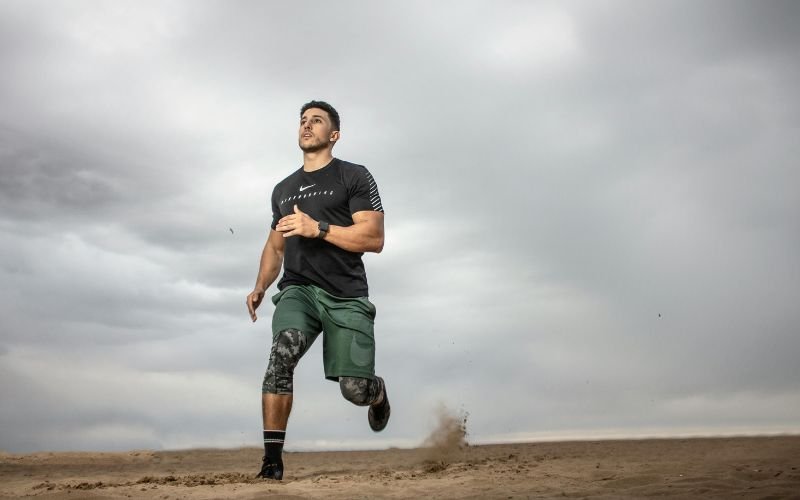

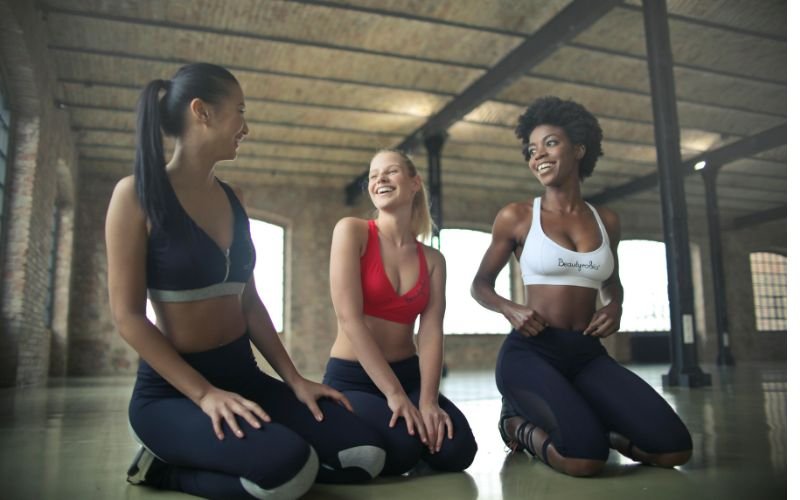
For some individuals, the menstrual cycle can feel like an awkward time, with side effects like pains, weakness, swelling, and emotional disturbance. It might be enticing to avoid your exercise routine, however, remaining active during your period can be useful. This article investigates how exercise affects the period, the kinds of exercises reasonable for each duration of your cycle, and tips to streamline your wellness routine during this time.
Benefits of workout during period
1. Pain relief
Menstrual cycle cramps, likewise called dysmenorrhea, cause extreme uterine contractions and are because of prostaglandins significant levels. A regular exercise routine promotes the blood flow and release of endorphins, which function as a painkiller. This coordination can help lessen contractions and distress.
2. Mood boost
Hormonal disturbances during your period can prompt emotional breakdowns, uneasiness, and anxiety. An active workout routine causes the synthesis of endorphins, serotonin, and dopamine, which further develop temperament and lessen pressure.
3. Improved energy levels
While fatigue is normal during the monthly cycle, light workout activities can improve your energy by stimulating oxygen and blood circulation.
4. Better sleep
The workout provides relaxation and improves the sleep cycle, which can be disturbed during the monthly cycle because of restlessness or hormonal irregularities.
5. Regulated periods
Normal actual work can help to regulate feminine cycles over the long run by adjusting hormones and maintaining well-being.
Understanding the menstrual cycle and exercise
The menstrual cycle has four stages, and understanding the hormonal fluctuations can assist you with your exercises for the greatest advantage.
1. Menstrual phase (Days 1–5)
During this stage, the estrogen and progesterone are at reduced levels which causes the endometrium breakdowns. A person feels exhaustion, pain, and bloating alongside lower energy levels.
Best workouts:
- Low-intensity exercise: Yoga, stretching, and Pilates can assist with alleviating cramps and further develop circulation.
- Light cardio: Strolling or slow-paced cycling has a light effect on the body while keeping up with the period’s flow.
2. Follicular phase (Days 6–14)
Estrogen levels begin to rise, invigorating the development of the uterus’s inner layer and promoting energy levels. You will probably feel more grounded, more empowered, and inspired.
Best Workouts:
- Strength training: Increase muscle strength with weight lifting workouts.
- High-intensity interval training (HIIT): The higher energy levels during this phase, can assist you in performing extraordinary and serious exercises. The mood in this phase alleviates performing a workout during period.
- Cardio: Running, swimming, or cycling can feel simpler and more fulfilling.
3. Ovulatory phase (Around day 14)
During this phase, estrogen is at its maximum level, and the release of an egg from the ovary called ovulation takes place. You feel highly energetic and strong.
Best workouts:
- Endurance activities: long runs or swimming.
- Team sports: Utilize uplifted energy and coordination in exercises to maintain health.
4. Luteal phase (Days 15–28)
In this phase, progesterone increases and estrogen decreases, which can prompt exhaustion and mood swings as the body plans for the monthly cycle. Certain females experience PMS (premenstrual syndrome) side effects, including irritation, acne, swelling, and abdominal pain.
Best workouts:
- Moderate exercise: Prefer slow-paced low-intensity exercises like swimming, walking, or yoga to battle down PMS side effects.
- Relaxation activities: Supportive yoga or contemplation can assist with managing pressure and uneasiness.

A study published in 2021 in Science Direct Journal has elaborated the fact that light to moderate two workout bouts for 15 minutes during the follicular phase reduces depression, increases vigor, and motivates mood response which has a significant impact on improving the psychological responses during periods. However heavy exercises during the luteal phase can worsen the situation.
Types of workouts during your period
Depending upon your body strength and demands, you can prefer to have different workout during period.
- Yoga and stretching
Prefer 10-minute different yoga body postures like kid’s posture, cat-cow, reclining twist, and leaning back bound angle posture can assist with mitigating cramps, decrease back pain, and help the body to relax. Do not go for headstands, as they might promote pelvic tension. - Walking
Strolling or walking is one of the simplest and most available types of activity during your period. It helps support blood circulation, ease pain, and stabilize your mood-set without overburdening your body. - Low-impact cardio
Exercises like swimming or utilizing a circular machine give delicate body movements while lessening joint pain. Swimming can likewise help to overcome bulging and cause you to feel weightless, offering extra solace. - Strength training
In case of low energy levels, strength exercises can assist you with keeping up your muscle tone and lifting digestion. Center around lighter exercises so you feel relaxed. But do not take strength training and heavy exercises during your periods. - High-intensity interval training (HIIT)
Short repetitions of extreme action can produce endorphins and leave you feeling achieved. In any case, pay attention to your body and keep away from overexertion if you are facing serious pain.
According to research conducted by St Mary’s University Twickenham, London on 14,000 females around the world has reported that 78% of females with moderate regular exercise routines have observed reduced menstrual symptoms during their periods.
Tips for exercising during your period
1. Listen to your body
Occasionally you could feel empowered and prepared for an extreme focus exercise, while on some days call for rest or light exercise. Focus on your body’s signs and change your routine appropriately.
2. Stay hydrated
Dehydration can further increase the period’s side effects like cerebral pains and spasms. Drink a lot of water to overcome these cramps.
3. Clothing and gear
Pick comfortable textured clothes to remain dry and agreeable. Dark-coloured stockings or shorts can assist you with feeling more comfortable on the off chance that you are stressed over spots.
4. Use period products that suit your activity
Tampons, feminine cups, or period-proof inner clothes are great for intense exertion. Ensure you are agreeable and certain with your decision to forestall interruptions.
5. Warm up and cool down
Before regular exercise, do some warm-up workouts and stretching to avoid any wounds, as hormonal changes during your period can cause joints to feel slightly looser.
6. Healthy nutrition
Eating a healthy diet well supplemented in iron, magnesium, and polysaccharides, helps to overcome restlessness and supplements lost during the monthly cycle.
- Prefer to eat green vegetables for iron, bananas for magnesium, and whole grains to fulfill carbohydrate intake.
- Avoid junk food, caffeine, packaged products, sugary drinks, and processed snacks to maintain hormonal balance.
7. Rest when needed
Assuming you are feeling exhausted or in torment, do not drive yourself to do a workout during the periods. Rest is significant for overall well-being and wellness.
When to avoid exercise during your period
While a workout is healthy and important during the monthly cycle, there are multiple situations when rest is the better choice:
- Severe pain or heavy bleeding: On the off chance that pain and menstrual flow are heavy, focus on rest and counsel a medical specialist if important.
- Dizziness or fatigue: Overexertion can prompt dizziness or bruises, so downsize your daily workout practice if you feel unwell.
- Medical conditions: Conditions like endometriosis or fibroids can make working during the feminine cycle more challenging. Talk with medical services proficient for personal counseling.
Practical workout plan during menstrual flow
Day 1-2: Gentle Movement and Rest
- Prefer light exercises to ease menstrual pain and weakness.
- Recommended exercise: 10-15 minutes of delicate yoga (child posture, stretch) or a relaxed walk.
Day 3-4: Low-intensity Cardio training
- Progressively increase exercise time to help blood flow and energy.
- Recommended exercise: 20-30 minutes of light cycling, swimming, or strolling.
Day 5: Low-Effect Strength Preparing
- Incorporate light workouts to keep up with muscle strength without overexertion.
- Recommended exercise: Bodyweight squats, wall push-ups, and opposition band practices for 20 minutes.
Throughout the Week
- Always listen to your body and adjust your workout routine according to your energy and solace levels.
- Continuously incorporate light daily practice to forestall injury and improve mood.
By adjusting your exercise plan with your body’s necessities during your period, you can remain dynamic while mitigating distress and working on maintaining general health.
Common myths about periods and exercise
There are numerous myths related to working out during your periods that interfere with maintaining health dynamics.
- One normal misinterpretation is that a workout during the period is unsafe or can increase cramps when as a matter of fact, a light to moderate workout mitigates stress and pain which promotes general health.
- Another common myth proposes that exercise might disturb blood flow or postpone the menstrual cycle, yet there is no scientific proof to help this case.
- Some accept that rest is the only choice during periods, yet remaining dynamic and active— even with mild activities like yoga, strolling, or brisk walking — can improve mindset, energy, and blood circulation.
Debunking these fantasies assists in maintaining a balanced and informed way to deal with your fitness regimen during the monthly cycle.
Workout management during periods
Workout during period does not need to be overwhelming. By adjusting your cardio care and exercises to how you are feeling and the period of your cycle, you can remain dynamic, overcome uneasiness, and support your general prosperity. Keep in mind that everyone is unique — what works for one individual probably would not work for another. Try different exercises with different activities, pay attention to your body’s demands, and feel free to rest when required. With the right methodology, your period can turn out to be simply one more piece of your fitness process instead of a roadblock.
“Try and manage this healthy workout plan and tips during the periods for a week and share your experience in the comments.”
Frequently Asked Questions (FAQs)
- Is it safe to perform workouts during your periods?
Indeed, working during your period is overall safe and can offer various advantages, including relief from discomfort and improved mood. - Can exercise make menstrual symptoms worse?
While light to medium physical activity can diminish side effects, overexertion could lead to exhaustion or severe pain. Always pay attention to your body’s demands. - Should I avoid certain exercises during my period?
Heavy or difficult exercises might feel strenuous, particularly assuming that you are encountering serious side effects. Do not prefer upside down body posture or yoga that may cause distress. - Does exercising during your period affect your flow?
Workouts ease up menstrual flow because of increased blood circulation, however, it would not stop your period completely.