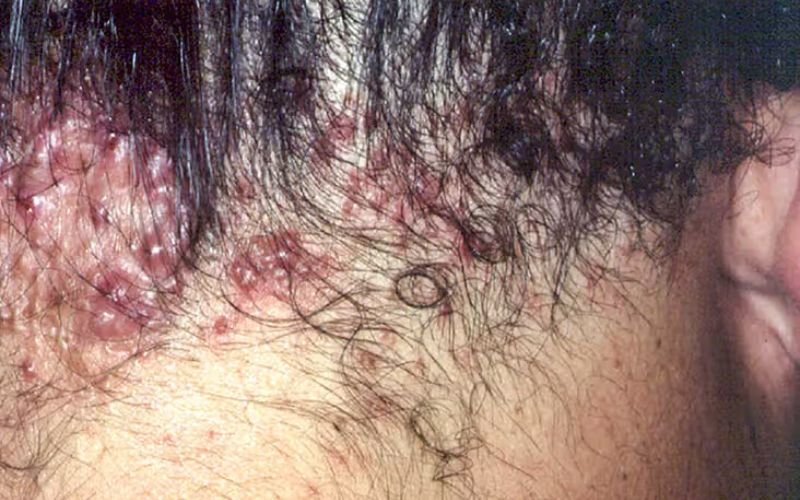

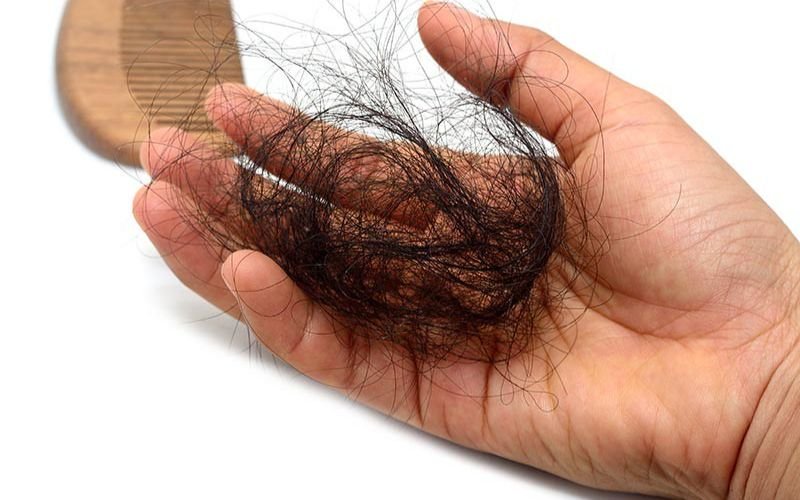
Hair fall is a typical worry that influences a large number of people around the world, with many encountering different levels of hair thinning or shedding throughout their lives. While variables like hereditary, genes, stress, and lifestyle are significant factors, hormones assume an especially essential part in hair fall. Hair fall is the most prevailing issue among all genders, more than 80% of men and less than 44% of women by the age of 30 throughout the world suffer from hair loss problems due to various metabolic reasons. Understanding the connection between hormones and hair fall can give valuable knowledge about prevention and treatment methodologies for those affected by hair loss problems.
Hair growth cycle
To understand the impacts of hormones on hair fall, it is fundamental to comprehend the hair growth cycle. Hair grows in three primary stages:
- Anagen phase (Growth Phase): The active period of hair growth, enduring from two to seven years. The length of this stage decides the greatest length of the hair.
- Catagen phase (Transition Phase): A short transitional stage lasting half a month. There is a reduced blood supply which stops hair growth.
- Telogen phase (Resting Phase): For 3 months hair bulbs remain inactive before finally shedding.
Hormonal imbalance alters these phases, promoting hair fall, and leading to noticeable hair fall.

Hormones involved in hair fall
Several hormones metabolically regulate hair growth and hair fall mechanisms, each influencing hair health in various ways. The most important hair fall hormone includes:
- Dihydrotestosterone (DHT): A byproduct of testosterone, DHT is a main factor in getting bald for all kinds of people. It ties to hair follicle receptors, contracting them and prompting androgenetic alopecia, normally known as pattern baldness.

- Testosterone: While testosterone does not directly link to hair fall. By the action of 5-alpha-reductase, it is converted into DHT and can prompt baldness, particularly in genetically predisposed individuals.
- Estrogen: These hormones assume a defensive part in hair development, particularly in ladies. Estrogen broadens the anagen stage, advancing hair density. At menopause, a reduction in estrogen leads to hair fall.
- Progesterone: This hormone reduces androgens and promotes hair growth. Low degrees of progesterone, frequently connected to hormonal changes, can add to the hair loss mechanism.
- Cortisol: Relentless stress causes the ceaseless production of stress hormone also known as cortisol, which elevates the hair roots to enter in the telogen stage and advances hair fall.
- Thyroid hormones: The thyroid glands direct the overall metabolic process of the body. Any issues related to it can influence hair development, ultimately promoting hair fall.
- Prolactin: Hyperprolactinemia, disturbs estrogen and progesterone levels, upset hair density, and thus increases hair fall.
- Insulin: High insulin levels, in PCOS and insulin resistance, also disturb testosterone thus prompting hair loss.
Hormonal conditions linked to hair loss
Certain medical ailments that include hormonal fluctuations are known to cause hair fall. The most common problems include
- Androgenetic alopecia: This male pattern baldness issue is caused because of elevated DHT levels. This issue slowly influences the well-being of hair follicles, which advances hair thinning and diminishing, particularly on the front, top, and crown parts of the scalp. Androgenetic alopecia influences all kinds of people, but the pattern of hair fall differs.
- Menopause and hormone replacement therapy (HRT): Menopause results in the downfall of estrogen and progesterone levels with age, which frequently prompts a general increase in androgens and DHT. Numerous ladies notice hair shedding during menopause, which can go on soon after. HRT may help at times, but it can increase hair loss.
- Pregnancy and postpartum period: During pregnancy, estrogen levels are high, prompting rich, thick hair as additional follicles stay in the anagen stage. In any case, after labor, estrogen levels drop pointedly, triggering telogen effluvium, where enormous quantities of hair enter the shedding stage immediately. This condition is temporary, and typical hair development resumes after six to twelve months postpartum.
- Polycystic ovary syndrome (PCOS): High androgen levels result in PCOS, which in turn promotes DHT production from testosterone. The high levels of DHT result in excess hair fall.
- Thyroid disorders: Thyroid hormonal profile imbalance affects the basal metabolic pathways and hair follicle health. The damaged hair follicles ultimately result in hair receding. Hair commonly gets back to normal growth once thyroid hormone levels are settled with medication.
When hormonal imbalance leads to hair loss
Hormonal irregularities can fundamentally affect hair health, leading to hair fall. Hair fall hormone plays an important role in the hair growth cycle. At the point of imbalance, these hormones can upset the normal phases of hair development, prompting the shedding or thinning of hairs. Certain medical ailments also prompt excessive hair loss mechanisms.
Actual hormonal hair loss is gradual. You probably would not see it until your hairline has noticeably subsided, your ponytail has become thinner, or your scalp has become apparent.
Treatment of hormonal irregularities through proper hormonal diet balance, clinical guidance and lifestyle improvement can help reduce hair loss.
Diagnostic tests for hormonal hair loss
If you face hair loss due to hair fall hormone fluctuation, consulting a medical services supplier is fundamental. They may suggest specific diagnostic tests like;
- Blood tests: They estimate the DHT, prolactin, estrogen, and progesterone levels.
- Thyroid panel: Thyroid hormone level is estimated in blood, through these tests.
- Lipid profile and insulin levels: For insulin resistance issues and PCOS confirmations these tests are necessary to be done.
- Scalp biopsy: This biopsy method estimates the hair follicle’s health.
Treatment options for hormonal hair loss
Treatment choices for hormonal-related hair fall depend upon the actual cause. A few treatments include:
Medications
- Finasteride and minoxidil: These medications inhibit DHT, and enhance hair development, respectively. A recent study published by Sapienza University of Rome, Italy has reported that the combination of 0.1% oral finasteride and 5% minoxidil for 3 to 6 months can effectively enhance the hair density in 80% of patients.
- Hormone replacement therapy (HRT): For the treatment of hormonal hair fall, this therapy works to adjust the estrogen and progesterone levels, especially in ladies after 40 years of age in menopause situations.
- Spironolactone: It acts as an agonist to DHT and inhibits its formation to overcome PCOS-relevant hair fall.
- Thyroid medications: A low level of thyroid hormones is treated by Levothyroxine and a high level of thyroid hormones is overcome through antithyroid medications, to maintain the healthy condition of thyroid glands.
Nutritional and lifestyle changes
Keeping a good dieting routine plentiful in supplements and minerals is a major factor for hair health, for instance, nutrients A, B, C, D, E, zinc, and biotin, can maintain hair growth. Managing pressure through unwinding, outdoor exercise, and rest can help with controlling cortisol levels.
Topical treatments
Skin medicines, including those containing caffeine, saw palmetto, and rosemary oil, may decrease DHT levels at the scalp and advance hair development.
Supplements
Intake of supplements including omega-3 unsaturated fats, cholecalciferol, zinc, vitamin D, and biotin enhances hair development. Some herbal medicines like saw palmetto and Pygeum decline the DHT formation through testosterone, which ultimately promotes hair growth.
Alternative therapies
- Platelet-rich plasma (PRP) therapy: This treatment has created promising outcomes as it infuses the patient’s plasma cells into hair roots to stimulate hair development. The study published by Florida Atlantic University, USA on PRP has reported stimulating associated factors to regulate hair follicle growth.
- Laser therapy: It works with the underlying foundations of hair follicles and further develops hair growth.
Hormonal hair loss prevention tips
While some hormonal hair fall is inevitable, embracing preventive measures can assist with diminishing its seriousness. The following are a few tips:
- Monitor your hormones: Routine check-ups can assist with distinguishing hormonal irregularities from the beginning, allowing timely medication.
- Reduce stress: Constant stress can prompt raised cortisol levels, which might accelerate stress. To reduce stress, try to meditate for 10 to 20 minutes daily.
- Stay physically active: Exercise can assist with managing insulin and cortisol levels, especially in those with PCOS or insulin sensitivity. To override the chances of ill health, prefer routine leisure walks or mild exercise for about 30 minutes.
- Healthy diet: A nutrient-rich eating routine reduces unnecessary hair fall hormone production and promotes hair growth. Several foods like salmon, walnuts, meat, eggs, flax seeds, chia seeds, etc. are supplemented with omega-3s, zinc, and biotin components to nourish hair growth.
- Avoid heat styling: Intense and continuous heat styling can damage hair shafts, burn keratin, and accelerate hair breakage.
When to see a specialist
In case you are encountering a critical hair fall for about 3 months continuously, it is fundamental to consult a medical care supplier or a dermatology hair specialist. Early determination and treatment are vital to prevent further hair fall and advancing hair regrowth.
Hormonal hair loss regulation
Hormonal imbalances can significantly affect hair health, frequently prompting hair fall. While hereditary factors and lifestyle also play a part, understanding the particular hair fall hormone regulation can assist in providing the best precautionary measures and treatment procedures. By managing hidden hormonal issues, making required lifestyle changes, and investigating clinical medicines depending on the situation, people encountering hair fall can improve their possibilities of regaining a scalp full of hair.