

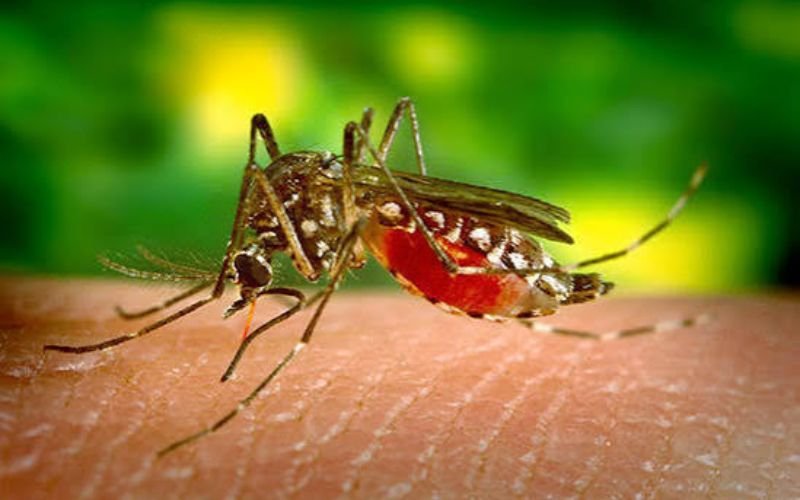
Malaria is a mosquito-borne infectious sickness that influences a great many individuals around the world, especially in tropical and subtropical districts. It is brought about by parasites of the Plasmodium species and can prompt extreme sickness and even demise whenever left untreated. Perceiving the side effects of intestinal sickness is essential for early determination and brief therapy. In this article, we will investigate the different side effects related to Malaria and talk about how they can be distinguished.
The article published in Signal Transduction and Targeted Therapy in 2025 also pinpoints the fact that continuous monitoring and treatment progress is required to deal with the resistance imposed by malarial parasites towards the available medications It also suggest the FDA approved drugs Atovaquone-Proguanil, and Primaquine efficacy and the development of new pharmaceutical therapeutic combinations including Sevuparin, Imatinib, and Cipargamin medicines.
Malaria
Malaria is a hazardous illness that influences a huge number of individuals consistently. It is brought about by the bite of contaminated female Anopheles mosquitoes that convey the Plasmodium parasite. The parasite duplicates in the liver and afterward taints red platelets, prompting different side effects.
Figuring out malaria
Malaria is predominant in many areas of the planet, particularly in tropical and subtropical locales with warm environments. The parasites that cause Malaria categorizes in the Plasmodium genus, in particular Plasmodium falciparum, Plasmodium vivax, Plasmodium malariae, and Plasmodium ovale. Every species can cause various sorts and severities of jungle fever.
Side effects of malaria
- Fever and chills
High fever is one of the essential side effects. It frequently comes in cycles, with an unexpected beginning of fever followed by chills and afterward a time of perspiring.
- Headaches and body aches
Malaria can cause serious cerebral pains and body hurt, like influenza. These side effects can go from gentle to weakening.
- Fatigue and weakness
Malaria can leave people feeling very exhausted and powerless, even after gentle actual effort.
- Nausea and vomiting
Numerous malarial patients experience sickness and retching, which can add to parchedness and further shortcomings.
- Sweating
Unreasonable perspiring is a typical side effect during the fever and chills phase of intestinal sickness.
- Cough and respiratory distress
At times, intestinal sickness can cause a constant hack and respiratory pain, looking like side effects of respiratory diseases.
- Abdominal pain and diarrhea
Malaria can prompt stomach torment, spasms, and loose bowels, frequently joined by other gastrointestinal issues.
- Jaundice
Jaundice, portrayed by yellowing of the skin and eyes, can happen in extreme instances of jungle fever.
- Anemia
Malaria can make sickliness due to the obliteration of red platelets by the parasites.
Severe symptoms of malaria
Now and again, Malaria can advance to serious structures that require quick clinical consideration. Here are a few serious side effects related to malaria:
- Cerebral malaria
This is a dangerous inconvenience that influences the cerebrum, prompting seizures, disarray, and loss of cognizance.
- Acute kidney failure
Malaria can cause kidney harm, bringing about intense kidney disappointment and the gathering of poisons in the body.
- Pulmonary edema
Extreme malaria can prompt liquid gathering in the lungs, making breathing hardships and possibly driving respiratory disappointment.
- Hemoglobinuria
In uncommon cases, malaria can cause the annihilation of red platelets, prompting the presence of hemoglobin in the urine, which seems dim or dark.
Diagnosing malaria
To analyze malaria, medical services experts commonly play out a blood test to identify the presence of the malarial parasites or their hereditary material. Quick demonstrative tests are usually utilized in regions where laboratory facilities are limited.
Treatment and prevention
The treatment and medications for malaria includes the utilization of antimalarial drugs recommended by medical services experts. The decision on drugs relies upon the sort and seriousness of the malarial disease, as well as the topographical area. Avoidance systems incorporate the utilization of insect-treated bed nets, indoor insecticide spraying, and antimalarial drugs for voyagers to endemic regions.
Illness related to malaria
Malaria is a serious illness that can have extreme outcomes if not treated quickly. Perceiving the side effects of intestinal sickness, like fever, chills, migraines, and body hurts, is fundamental for early analysis and convenient therapy. By understanding the side effects and looking for clinical consideration, people can forestall complexities and lessen the effect of jungle fever on their well-being.