

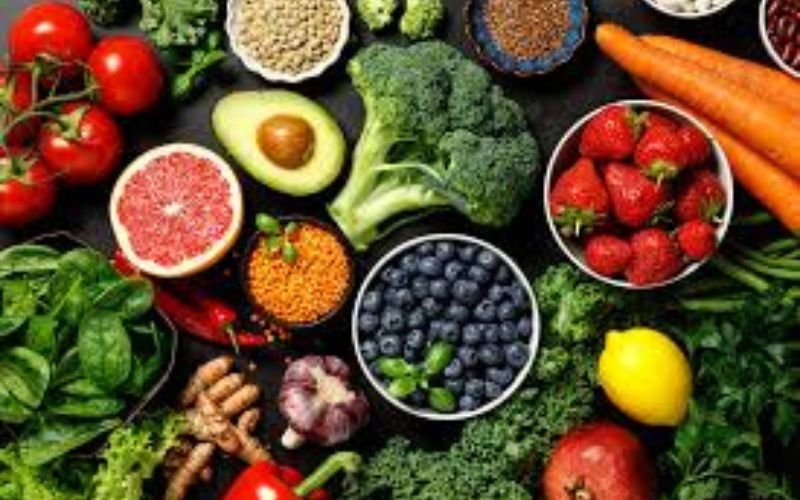
In this article we will discuss about the high-water content foods, their nourishment and low calories level.
The high-water content foods are hydrating, nourishing, and typically low in calories. You should drink water every day, as suggested by the previous recommendation. On certain days, that could seem like an impossible task, but here’s the secret: No need to drink water. Typically, 20% of the water we consume each day comes from strong food types, especially natural items.
Although drinking lots of water is important, especially in the middle of the summer, you may also quench your thirst by eating any one of these 15 very hydrating foods, with over 90% water contents.
1. Cucumber
96.7% of the total was water.
This late spring vegetable, is among the high-water content foods than any food resource, tastes well in salads of mixed greens or when chopped up and served with hummus.
More hydration control from cucumbers is required. Try making cucumber soup by combining it with yoghurt, mint, and ice. “Soup continuously hydrates, although in the late spring you probably shouldn’t consume something warm.”
2. Iceberg lettuce
95.6% of the total is water.
In general, ice sheet lettuce will draw unfavorable comments. Health professionals generally advise to avoid darker green vegetables, with increased fiber content and more vitamins and minerals like folate and vitamin K. Regarding water content, however, the situation is different.
3. Celery
95.4% of the total was water.
Although it’s not quite clear, the urban rumor that celery has negative calories. Celery has few calories—only 6 calories for each tail—like all food types that are considered as high-water content foods. Additionally, the fiber and water in it help you feel full and control your hunger.
However, this nutritious vegetable has A, C, and K vitamins and folate. It also has increased water content, with capacity to retards stomach acidity and recommended for treatment of pyrosis and indigestion.
4. Radishes
95.3% of the total is water.
These rejuvenating root vegetables should be a component of your mixed green salads. With its hot sweet flavor, it is rich in metabolites like catechin (additionally tracked down in green tea).
Garnish your health by cutting them and combining with shredded cabbage, chopped hazelnuts, parsley, lemon juice, olive oil, salt, and pepper.
5. Tomatoes
94.55% of it is water.
A great hydrating snack: “They’re perfect to simply pop in your mouth, possibly with some nuts or some low-sodium cheddar.” The tomatoes will continue to be the main ingredients of plates with mixed green salads, sauces, and sandwiches.
“When you nibble into them, you get this wonderful rush of flavor.”
Having guests over? For a quick and easy snack, thread toothpicks with cherry tomatoes, basil leaves, and mozzarella chunks.
6. Green peppers
93.9% of the total was water.
All hues of chili peppers contain a huge amount of water; however, green peppers stand out, in comparison to other pepper varieties (which are around 92% water).
Peppers make a fantastic snack before dinner or after midnight. We advise people to eat vegetables whenever they feel like it, yet many people quickly become tired of carrots and celery.
After work, during dinner preparation, peppers are ideal to cut up.
7. Cauliflower
92.1% of the total was water.
Do not be fooled by cauliflower’s pallid appearance; this vegetable is an excellent source of water, minerals and metabolites that have capacity to decrease cholesterol and overcome diseases, like breast cancer. To add a pleasant crunch to a platter of mixed greens, split them up.
The bread garnishes might be avoided.
8. Watermelon
91.5% of the total is water.
Undoubtedly, watermelon is considered as high-water content foods, but this delightful fruit is also the source of lycopene, an anti-cancerous cellular reinforcement found in red natural food products. Watermelon has 12mg per slice more lycopene in comparison to raw tomatoes with over 3mg per medium.
Keep a water pitcher with blocks of watermelon in the base in the refrigerator.
“Hydration is energizing and a great motivator in general.”
9. Spinach
91.4% water content.
Although spinach is normally a better bet overall. With an additional healthy punch, raw spinach leaves on sandwiches and salads makes them quite appetizing and healthy to eat.
One cup raw spinach leaf contains 15% vitamin E, which overcomes free radicals in cells. Spinach is also rich in lutein, potassium, fiber, and brain-healthy folate.
10. Star fruit
91.4% of the total is water.
Also called as carambola, is among high-water content foods with its variety of flavors, particularly rich in epicatechin, a heart-solid metabolite also found in dark chocolate and green tea. Its appealing shape looks excellent in tropical salads and as garnish on the edge of fruit drinks.
One word of caution: Because of high oxalate levels, kidney patients should avoid them.
11. Strawberries
91.0% water.
All berries are excellent sources of water, but succulent red strawberries are the best of the bunch. Blackberries have 88.2% water, while raspberries and blueberries with 85% of water.
The strawberries are blended with plain nonfat yoghurt, another hydrating item, or added to a smoothie.
The combination of carbohydrates, fiber, and protein in the yoghurt, enhanced by the addition of strawberries, makes an excellent post-workout recovery snack.
12. Broccoli
90.7% water content.
Crude broccoli, high-water content foods, provides a great mash to a platter of mixed greens, just like its relative cauliflower. However, its nutritional profile, indicates the large amounts of fiber, potassium, vitamin A, and L-ascorbic acid. In addition, broccoli has the highest concentration of sulforaphane, a potent molecule that boasts body immune mechanisms and eliminates disease-causing compounds.
13. Grapefruit
Water content: 90.5%
According to a study, this succulent, tart citrus natural organic product reduces cholesterol levels. According to one study, one grapefruit daily lowers the bad cholesterol levels by 15.5% and fats by 27%. In another study, eating a part of a grapefruit before every meal having 40 calories, helped weight watchers lose about 3.5 pounds over 12 weeks. According to analysts, the organic product’s combinations help to load up on fat and settle glucose, which helps to reduce cravings.
14. Baby carrots
90% of the total is water.
Isn’t it true that a carrot is a carrot? Unexpectedly, the mini carrots have more water than regular-sized carrots (with only 88.3% water) and is among high-water content foods.
It’s also challenging to surpass the comfort level of prepared foods. Eat them straight from the bag, dip them in guacamole or hummus for a bit more crunch and vibrant orange colour, or chop them up and add them to salads or salsas.
15. Cantaloupe
90.2% of the total is water.
This tasty melon provides a significant dietary benefit for very few calories. One six-ounce serving, has only 50 calories yet delivers hundred per cent of the recommended daily intake of vitamins A and C. To read more on dietary benefits see the article practical dietary guidelines.
It will satisfy your sweet craving if you have one.
Tired of using common crude natural products? Sherbet can be made by blending melon with yoghurt and freezing it, or a revitalizing soup can be made by pureeing melon with orange juice and mint.