

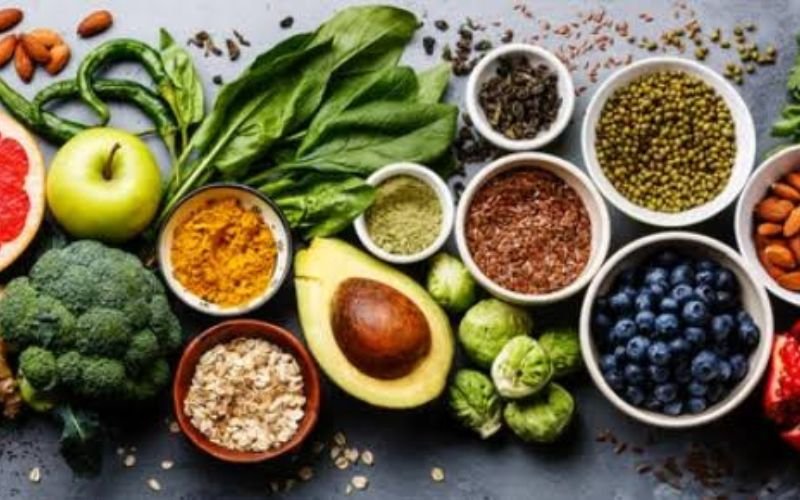
The high protein vegetables diet, are an excellent way to deal with nourishment that can boast your wellbeing, health, and lifestyle. The plant-based proteins and healthy calorie-based foods boast health and regulate its efficacy. This article highlights the high protein vegetables which improve the well being and sustain health with their nutritional content. The research published in the Journal of Nutrition in 2026 pinpoints the facts that plant dietary fibers and protein optimize gut health by improving the fermentation process, gut microbiota associated with elevated levels of IgA antibody in caecum thus promotes host immunity as well.
Understanding the high protein vegetables diet
A high protein vegetables diet, otherwise called a plant-based protein diet, underscores the utilization of a wide assortment of protein-rich vegetables. By integrating these supplement-thick food sources into your day-to-day feasts, you can guarantee that your body gets a more than adequate stock of fundamental amino acids, nutrients, minerals, and cell reinforcements — which are all essential for your well-being.
Advantages of a high protein vegetables diet
- Weight management: Integrating high protein vegetables diet regimen can support healthy weight reduction. Vegetables are low in calories and high in fiber, which assists you to lessen the probability of overeating.
- Heart well-being: A high-protein vegetables diet is related to a decreased risk of coronary illness. These plant-based food varieties are regularly low in saturated fats and cholesterol while being rich in heart-healthy supplements like potassium and cancer prevention agents.
- Improved digestion: Vegetables are fantastic sources of dietary fiber, which supports intestinal absorption and defecation. A high-fiber admission can prevent constipation and enhance gut well-being.
- Muscle repair and development: Protein is fundamental for muscle repair and development. Despite the normal conviction, a plant-based protein diet can be as powerful as an animal-based protein diet. Integrating high-protein vegetables into your eating regimen guarantees you meet your protein necessities while staying away from health risks related to extreme meat utilization.
- Disease prevention: A high-protein vegetables diet, with its increased level of nutrients, minerals, and antioxidants, has been connected to reduced risks of acute diseases like diabetes, certain tumors, and age-related macular degeneration.
Key high-protein vegetables to include in your diet
Broccoli
Broccoli is a versatile vegetable that offers a great protein content, making it a brilliant high-protein vegetables diet. It is likewise plentiful in L-ascorbic acid, fiber, and different cell reinforcements, giving extra medical advantages, for example, enhance immunity and detoxification.
Spinach
Spinach, a leafy green vegetable, is famous for its outstanding supplement profile. It contains a significant measure of protein, alongside iron, calcium, folate, and vitamins A and K. With spinach in your diet plan can assist you with bone health, mental capability, and immune system.
Brussels fledglings
Brussels sprouts are an individual from the cruciferous vegetable family and are loaded with protein, fiber, and fundamental nutrients and minerals. These smaller-than-usual cabbage-like vegetables are known for their disease-battling properties and their capacity to help sound absorption.
Lentils
Lentils are a phenomenal source of plant-based protein, making them an ideal source of a high-protein vegetables diet. They are additionally wealthy in fiber, iron, potassium, and folate. Lentils can advance cardiovascular well-being, settle glucose levels, and support cerebrum capability.
Integrating high-protein vegetables into your daily meals
Now that you comprehend the various advantages of a high protein vegetables diet and have gotten to know key protein-rich vegetables, now is the ideal time to investigate common ways of integrating them into your everyday meals and follow your high protein veggie diet plan. Here are a few thoughts:
Colorful salads: Make energetic servings of mixed greens by consolidating an assortment of high-protein vegetables like broccoli, spinach, and Brussels sprouts. Add a protein source like lentils or chickpeas, and dress with a delightful vinaigrette for a sustaining and fulfilling feast.
Stir fry and sauteed dishes: Sauté your high protein vegetables in olive oil or coconut oil, and match them with tofu or tempeh for a protein-pressed pan sear. Add spices and flavors to upgrade the flavors and make a healthy, nutritious dish.
Smoothies and green juices: Mix supplement-rich high protein vegetables like spinach or kale into your morning smoothies or green juices. These drinks give an invigorating and helpful method for polishing off a significant measure of plant-based protein.
Nutritional powerhouse for optimal health
All in all, a high-protein vegetables diet can change your well-being by giving an overflow of fundamental supplements while supporting weight management, heart wellbeing, processing, muscle fix, and disease control. By integrating key protein-rich vegetables into your everyday meal, you can set out on an excursion towards ideal prosperity. Begin enjoying the advantages of a high protein vegetables diet today and experience the positive effect it can have on your life.