
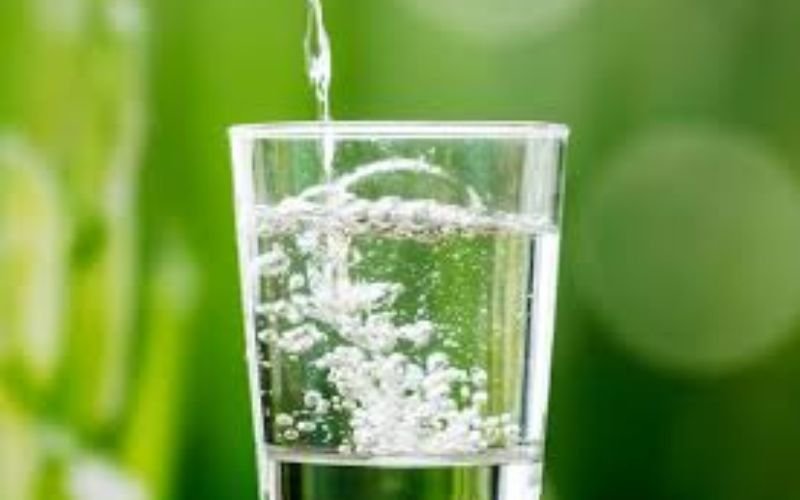
Water assumes a major part of the body. In addition to the fact that it is tracked down in each body part. Getting sufficient water consistently is crucial for your health. Drinking water can help prevent parchedness, a condition that can make it difficult to think, alter your mood, cause your body to overheat, and result in kidney and bladder stones. Since water has no calories, substituting it for calorie-containing beverages like sweet tea or regular soda will help you manage your weight and consume fewer calories.
With such countless various kinds of beverages available on market- sports drinks, seltzers, soft drinks, caffeinated refreshments, and that’s only the tip of the iceberg – it is frequent to wander away from the dependable strategy for hydration: water. Be that as it may, why is water so significant, and how might you ensure you’re getting enough?
The article published in National Institute of Health in 2010 also suggests the importance of water as a crucial nutrient whose deficiency can be life threatening and the emergence of different metabolic dysregulation in population due to the shift on caloric beverages.
Water assumes a major part of the body. In addition to the fact that it is tracked down in each cell, tissue, and organ, it helps keep the body working by:
• Controlling internal heat level
• Eliminating waste through perspiring, pee, and solid discharges
• Giving dampness to the skin and different tissues
• Padding joints and fortifying muscles
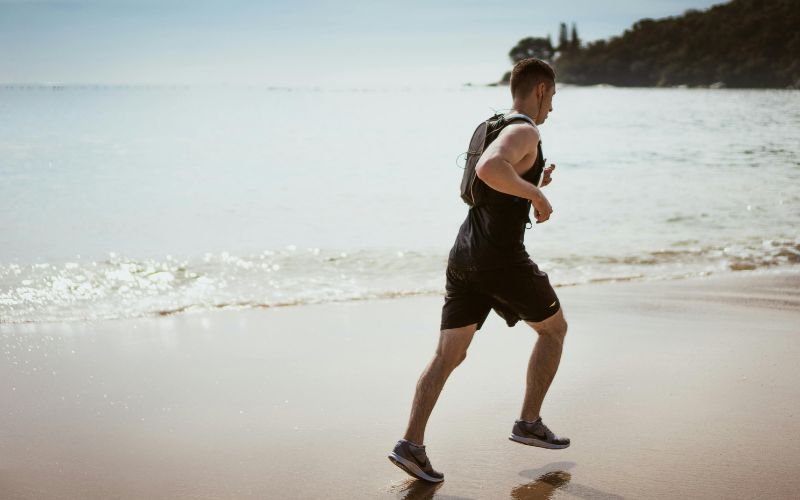
At the point when your body needs more water, you can encounter a lack of hydration. This is bound to happen during active work, sweltering climate and while encountering sickness – particularly with fever, spewing, or looseness of the bowels.
Signs and side effects of dehydration
• Weariness or diminished energy
• Migraine
• Dazedness
• Disarray or indistinct reasoning
• Dry lips, mouth, skin
• Sickness or regurgitating
• Dim-hued or inconsistent pee
• Constipation
• High internal heat level
• Toiled relaxing
Every day, your liquid admission comprises of the refreshments you drink, and the water polished off from different high content water food sources.
Day-to-day water admission proposals might vary considering your age, sex, and by and large wellbeing, including your actual work level and whether you’re pregnant or breastfeeding. Converse with your medical care supplier about what day-to-day liquid admission is appropriate for you.
Work on your hydration and wellbeing by pursuing shrewd decisions – like staying away from sweets, and carbonated drinks – and integrating these tips into your day:
• Recognize your admission objectives and find a water container to coordinate. Fill this compartment every morning and use it over the day. At the point when the holder is vacant, then you realize you’ve achieved your objective!
• Make a “hydration propensity.” Drink a glass of water when you awaken, one at every feast, and one at sleep time.
• Be aware of time. Take a beverage consistently or mean to complete a portion of your container by noon to hold the day back from moving away from you.
• Pick water while going to cafés to set aside cash and calories.
• While eating at home, put a pitcher of water on the table.
“Consider the water in fluids, plain water, and dietary sources as a supplement that your body requires. These are necessary every day to replace the significant amount of water lost each day, “says Joan Koelemay, RD, a nutritionist with the Beverage Institute, a group representing the beverage industry.
You risk becoming dehydrated if your water intake doesn’t correspond to your outcome. In hotter climates, during strenuous activity, at higher altitudes, and in older adults whose thirst may not be as acute, liquid woes are highlighted.
If you don’t like water?
In the event that you’re struggling with embracing plain water, attempt these stunts:
• Add berries, lemon, lime, or cucumber to your water for some character.
• If you’re feeling the loss of the bubble of carbonated drinks, have a go at adding a sprinkle of juice to plain shimmering water
• Quit purchasing sweet beverages. It’s harder for them to entice you when they’re not staying nearby your home.
• Focus on nourishment. Assuming you want some different options from plain water, be aware of calories, added sugars, and soaked fats.
Supplanting sweet, fatty drinks with plain water can diminish your gamble for weight gain, stoutness, cardiovascular infection, diabetes kidney illness, and joint pain and that’s only the tip of the iceberg. Like all propensities, drinking more water takes time – yet the expanded energy, worked mental clearness and medical advantages are certainly worth the work!